Office Clearance in Docklands

Office clearance in Docklands needs a practical approach that keeps workspaces usable while surplus furniture, filing, equipment and general office contents are removed in an orderly way. We provide a commercial clearance service for businesses that want desks, chairs, cabinets, partitions and mixed office items dealt with without unnecessary disruption. The service can be shaped around an emptying project, a move, a refit or the gradual reduction of redundant items from a working floor.
Our office clearance work is designed for companies that need structured removal rather than a rushed collection. That can include clearing single rooms, full suites, storage areas, reception spaces or back-office zones, along with the handling of items that need separating before disposal or reuse. For clients comparing options, the focus is on clear scope, sensible planning and a finish that leaves the area ready for its next use.
To discuss the most suitable approach, you can request a quotation once the broad scope is known. If your premises contain a mix of furniture, archive materials and general office items, it is helpful to set out the type of clearance needed so the work can be matched to the space and access available.
Clearance for working offices
We clear offices that are still in use as well as spaces being vacated, so the work can be timed around the needs of the business. Where desks, monitor stands, storage units and seating are no longer required, the clearance can be arranged to remove only the selected items or to empty larger areas in stages. This is especially useful when a company is reorganising departments, updating its layout or reducing surplus equipment.
A sensible office clearance also considers what remains in place. Items that are staying may need to be protected while the unwanted contents are taken away, and it can help to separate documents, IT equipment and furniture in advance. If you are planning a wider workplace change, our office clearance service can form part of the preparation for an internal reconfiguration, lease handback or tidy exit from occupied premises.
Useful points to prepare include which rooms are to be cleared, whether items are confined to one floor or spread across several, and whether there are any larger pieces that need careful handling. A short inventory is often enough to guide the quotation process, and it can also be useful to note any access considerations such as lifts, loading points or times when work must avoid busy periods.
Furniture, fixtures and office equipment

Office clearances often involve a mixture of furniture and fixed or semi-fixed workplace items. Desks, task chairs, cabinets, shelving, meeting tables and storage units are common, but many projects also include reception furniture, partition components and miscellaneous items that have accumulated over time. We treat these as part of one coordinated clearance rather than as unrelated collections, which helps keep the work straightforward for the customer.
When office furniture is being removed, the main decisions usually concern size, condition and whether the items are grouped in a way that allows efficient collection. Some items may be ready for removal as they are, while others may need to be dismantled or moved carefully from enclosed rooms. A clearance plan that considers the layout of the premises makes it easier to decide how the job should be approached and what sequence will work best.
For businesses that are replacing fitted or portable items, it can also be useful to think about what should happen before the clearance begins. If computers, screens, paper files or small personal effects need to be separated from general furniture, handling those items first can reduce confusion later. The overall aim is to make the clearance clear, controlled and proportionate to the amount of office content that needs to go.
Common office clearance situations
Office clearance work can support many different business situations. A company may need to empty a room that has become a storage area, remove furniture after a reorganisation or clear a suite at the end of a tenancy. The same service can also help when offices are being refreshed, when surplus items are being rationalised, or when old furnishings are no longer suitable for the current layout.
Some projects are best treated as targeted clearances rather than complete emptying jobs. For example, a business may only want a meeting room, filing room or staff area cleared, leaving the rest of the premises untouched. Others may prefer a broader clearance that covers most contents in one visit. The key is matching the service to the condition of the office and the amount of material that remains to be sorted.
If you are comparing ways to proceed, think about the order in which the contents need to be removed. A staged clearance can suit premises that remain active, while a fuller clearance may be more efficient where the office is already closed or largely empty. Either way, the work is intended to remove what is no longer needed without creating unnecessary additional disruption for staff or building users.
Planning a sensible quotation

Quotation requests are usually easiest when they describe the type of office, the approximate amount of contents and any practical constraints. The price of an office clearance is influenced by several factors, including the volume of items, the amount of labour required, whether furniture needs dismantling and how straightforward access is within the building. Clear information helps ensure the quotation reflects the actual work rather than an oversimplified assumption.
Where possible, it helps to note whether the items are concentrated in one room or spread throughout a floor, and whether there are any particularly bulky objects that will affect the handling time. Access matters too: stairs, narrow corridors, loading arrangements and time restrictions can all influence how the job is organised. We aim to keep the process practical, with the quotation based on the information that best represents the clearance needed.
Before you request a quote, you can make the job easier by identifying which items are definitely staying, which are to be removed and whether any office equipment should be set aside separately. That does not need to be complicated; a brief description is usually enough to start. If the scope changes later, it is best to mention that early so the work can be adjusted sensibly.
Handling office items with care
Office clearance is not only about volume. It also involves careful handling of mixed contents that may include furniture, office accessories and equipment with different sizes and weights. Desks and cabinets may need two-person handling, while lighter items can often be moved more quickly once the route is clear. The aim is to remove each category in a controlled way so the premises are left tidy and orderly.
Some items need particular thought before they are moved. Glass-topped tables, awkward storage units, dismantled components and older office pieces with uneven wear can be more difficult to handle than they first appear. Where relevant, we work through the contents in a sequence that avoids unnecessary damage to surrounding areas. That is especially important in occupied offices, shared buildings and spaces with fitted finishes.
Businesses often like to know in advance how much of the work is likely to be straightforward and how much may require additional attention. A simple explanation of the layout, access and types of contents helps set expectations. It also makes it easier to decide whether the clearance should happen in one organised visit or in a more gradual series of removals.
What can be included in an office clearance
- Office desks, meeting tables and workstations
- Task chairs, visitor seating and reception furniture
- Storage cupboards, filing units and shelving
- Partitions, lightweight office fittings and loose components
- Mixed general office contents that are no longer required
This kind of list is useful because office clearances rarely involve one category alone. A room may contain a few major items alongside smaller pieces that have been stored there over time, and the work is often most efficient when those are dealt with together. We can clear individual pieces or broader combinations, depending on the space and the business needs.
It is also common for an office to contain items in more than one condition. Some furniture may be ready for immediate removal, while other objects need separating, grouping or moving from enclosed storage areas first. A well-planned clearance takes these differences into account, so the end result feels tidy rather than piecemeal. If you need the premises left in a specific order, that should be noted early in the process.
About Docklands
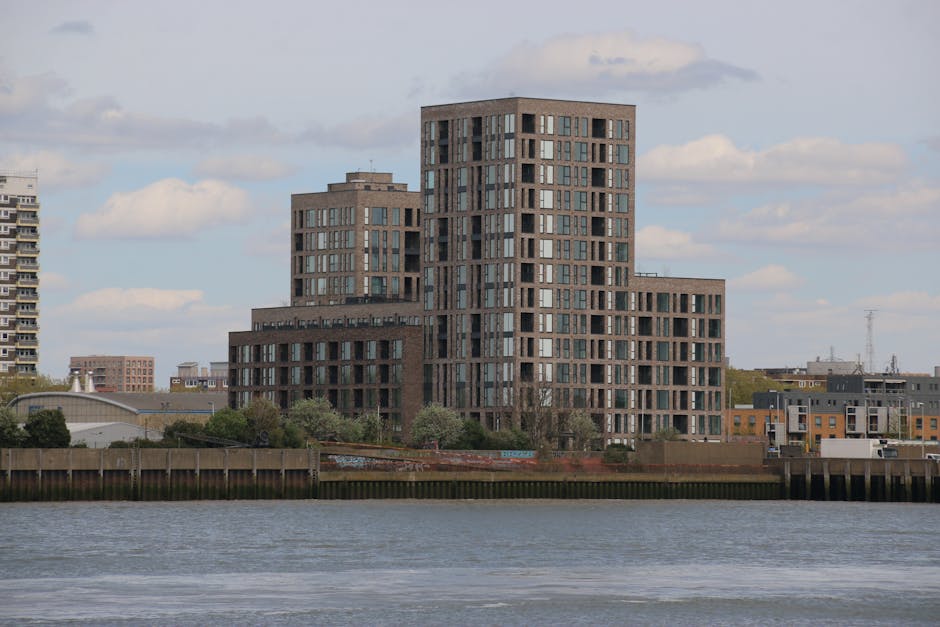
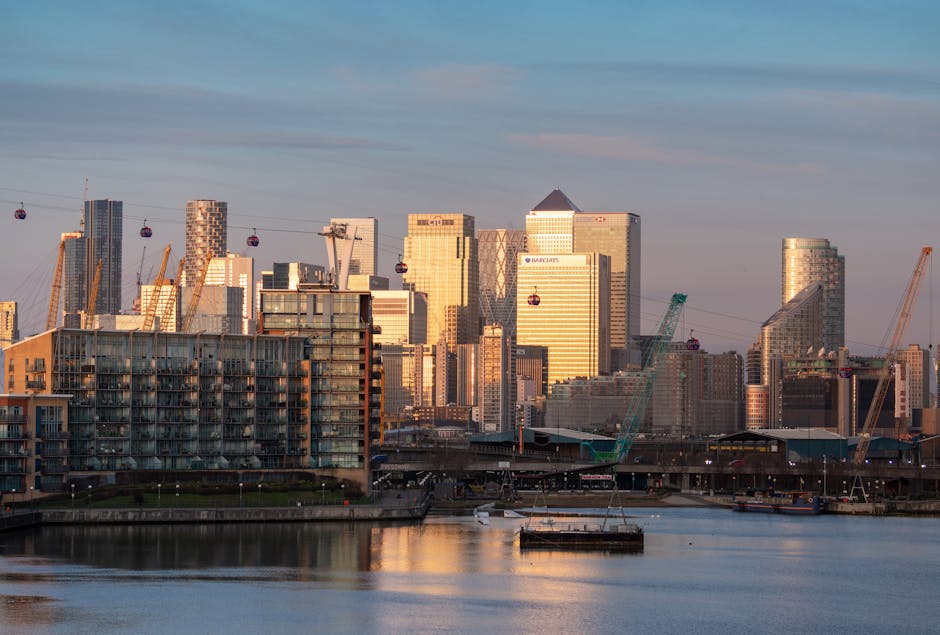
Docklands is a waterside district of east and south-east London shaped by the history of the Port of London and the large-scale changes that followed the decline of the traditional docks. The area includes places such as Canary Wharf, Wapping, Limehouse, the Isle of Dogs and parts of Rotherhithe, each with its own street pattern and character. Reuse of former docklands land has created a landscape where canals, basins, modern office towers, residential developments and older industrial structures sit close together. The district’s geography still reflects the river, docks and enclosed waterways that once defined its economy. Some areas preserve warehouse fronts, dockside edges and converted buildings that link the present streetscape to earlier maritime activity. Modern redevelopment has also introduced prominent landmarks, public routes and transport links that connect business areas with the wider city. The combination of old dockland fabric and later regeneration makes the district visually varied, with open waterside views in one place and dense urban blocks in another. For many people, Docklands is associated with riverside movement, financial architecture and an evolving mix of commercial and residential uses, all within a setting that remains closely tied to the Thames and its historic working waterfront.
Business premises and workplace change

Many office clearances happen alongside a broader workplace change. A business may be moving to smaller premises, updating its fit-out or reworking the use of its existing floors. In those cases, the clearance has to sit neatly within the wider schedule so that items are removed in the right order and the space remains usable for the next stage of work. This is where a measured approach can be valuable.
Our service can support clearances that are focused on specific business goals, such as reducing surplus furniture before a layout change or emptying spaces that are no longer required for day-to-day operations. It can also help when several types of office contents need to be dealt with under one plan, rather than arranging separate collections for each room. That makes it easier to keep the process organised and easier to explain to staff or building managers.
Where useful, a brief site description can help shape the clearance plan. A few notes about floor level, loading arrangements, access times and the rooms involved are usually enough to get started. For the business, the practical benefit is a clearer understanding of what the clearance will cover and how the work should be timed around other priorities.
How the work is organised
Office clearance is most effective when the sequence is decided before the work starts. That may involve starting with storage areas, then moving through desks, seating and larger pieces of furniture before dealing with smaller items at the end. A sensible sequence helps reduce backtracking and keeps the premises easier to manage while the clearance is underway. It also helps avoid clutter being moved from one room to another without purpose.
For active workplaces, organisation matters because staff may still need to use part of the building while a clearance is taking place. Clear access routes, sensible placement of items awaiting removal and good separation between what stays and what goes can all make the process smoother. If the premises are nearly empty already, the approach may be simpler, but it still helps to define the exact rooms and contents before the job begins.
Good preparation does not need to be elaborate. A short description of the office type, the rooms involved and the main item categories is often enough. If there are items that require special handling or areas that should not be entered, those points should be noted at the same time. That keeps the process orderly and helps the quotation match the work more closely.
Furniture clearance and related removals

Although office clearance is the main service here, some projects overlap with furniture removal needs. That may include taking away individual desks, chairs, cabinets or grouped workplace furniture from offices, meeting rooms or shared areas. The difference is that office clearance usually considers the whole working environment, whereas isolated furniture removal may involve a smaller set of items in one part of the premises. Both require similar care, but the scope is not always the same.
Where office furniture is being replaced, businesses often want the old items removed in a way that leaves the room ready for the next arrangement. In other cases, the customer may be clearing only redundant pieces while keeping the rest of the office in operation. The service can be adjusted to either situation. What matters is that the scope is defined clearly so the removal is planned around the actual contents rather than a generic assumption.
If you are ready to take the next step, keep your enquiry brief but specific and ask for a quotation for office clearance. A short outline of the space, the items involved and the timing you have in mind is usually enough to begin the discussion.
Pricing, access and practical considerations
Office clearance pricing is normally shaped by the amount to be removed and the conditions under which the work takes place. A compact room with straightforward access may be simpler than a multi-room floor with narrow routes or awkward items to move. The quantity of furniture, the presence of mixed materials and whether items need dismantling all contribute to the overall scope. Good quotations reflect those practical details rather than relying on broad assumptions.
Access can be a significant factor in commercial premises. Upper floors, shared entrances, loading restrictions, managed buildings and time windows can all affect how the work is carried out. It is helpful to mention these points early, because they influence the organisation of the clearance as well as the overall effort involved. The more accurately the setting is described, the easier it is to propose a sensible plan for the job.
When comparing ways to proceed, think about the result you need: a full emptying, a partial clearance or the removal of selected surplus items. Each can be handled differently, and the best option depends on how much remains in place. If you would like the work assessed, ask for a quotation and share the basic layout details first rather than waiting until the last minute.