Builders Waste Clearance in Docklands: Efficient and Reliable Solutions

Introduction to Builders Waste Clearance
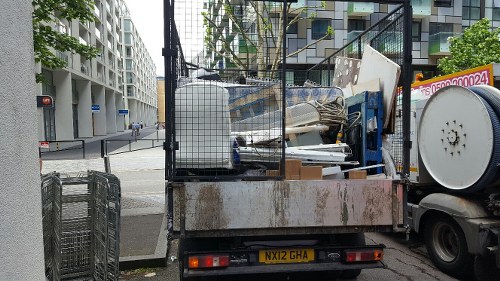
Building projects in Docklands often generate substantial amounts of waste. Proper waste clearance is essential to maintain a clean and safe environment for construction workers and the local community. Efficient waste management not only complies with regulations but also promotes sustainability and reduces environmental impact.
In this article, we will explore the various aspects of builders waste clearance in Docklands, including the types of waste generated, the importance of proper disposal, and the services available to help manage and remove construction debris effectively.
Understanding the intricacies of waste clearance can help builders and contractors streamline their operations, minimize disruptions, and contribute positively to the Docklands community.

Types of Builders Waste in Docklands
Common Waste Materials
Construction projects in Docklands typically produce a range of waste materials, including:
- Concrete and Masonry: Leftover concrete, bricks, and stone.
- Timber and Wood: Offcuts, pallets, and treated wood.
- Metals: Scrap metal, including steel, aluminum, and copper.
- Plastics: Packaging materials, piping, and plastic fittings.
- Insulation: Various types of insulation materials.
Proper identification and categorization of these materials are crucial for effective waste clearance and recycling.
Some waste materials can be recycled or repurposed, reducing the environmental footprint of construction activities.
Importance of Builders Waste Clearance
Environmental Benefits
Effective waste clearance significantly reduces the impact of construction activities on the environment. By recycling and responsibly disposing of waste materials, builders can:
- Minimize landfill usage
- Conserve natural resources
- Lower greenhouse gas emissions
Moreover, adhering to environmental standards helps in promoting sustainable building practices within Docklands.
Responsible waste management also ensures that hazardous materials are handled safely, protecting both the environment and public health.

Regulations and Compliance
Local Docklands Regulations
Builders in Docklands must comply with local waste management regulations to avoid penalties and ensure the smooth progress of their projects. Key regulatory aspects include:
- Waste Disposal Permits: Obtaining necessary permits for waste transportation and disposal.
- Recycling Requirements: Meeting specific recycling targets for construction waste.
- Hazardous Waste Handling: Special procedures for disposing of hazardous materials.
Staying informed about the latest regulations helps builders maintain compliance and fosters a culture of responsibility.
Non-compliance can lead to legal consequences and damage a builder’s reputation within the community.

Services for Builders Waste Clearance
Professional Waste Clearance Providers
Several companies in Docklands specialize in builders waste clearance, offering comprehensive services tailored to construction needs. These services typically include:
- Waste Collection and Removal: Efficient pickup and transport of construction debris.
- Sorting and Recycling: Segregating recyclable materials to maximize reuse.
- Disposal: Safe and compliant disposal of non-recyclable waste.
- Consultation: Guidance on waste management practices and compliance.
Choosing a reliable waste clearance provider ensures timely and efficient waste management, allowing builders to focus on their core activities.
These professionals are equipped with the knowledge and resources to handle diverse types of construction waste, ensuring sustainability and compliance.
Benefits of Hiring Professional Waste Clearance Services
Engaging professional waste clearance services in Docklands offers numerous advantages:
- Time Efficiency: Saves valuable time by handling waste removal, allowing builders to concentrate on construction tasks.
- Cost-Effective: Reduces costs associated with managing waste internally, including labor and equipment expenses.
- Expertise: Access to knowledgeable teams familiar with local regulations and best practices.
- Safety: Minimizes risks related to handling and transporting heavy or hazardous waste materials.
Ultimately, professional services contribute to smoother project execution and enhance overall productivity.
Additionally, they ensure that waste is managed responsibly, aligning with environmental sustainability goals.
Steps to Effective Builders Waste Clearance
Implementing a structured approach to waste clearance can optimize the process. Here are key steps to follow:
- Assessment: Evaluate the types and quantities of waste generated.
- Planning: Develop a waste management plan outlining collection, sorting, and disposal methods.
- Segregation: Separate recyclable materials from non-recyclable ones at the source.
- Collection: Arrange regular waste pickups to prevent accumulation.
- Recycling and Disposal: Coordinate with waste clearance providers for recycling and compliant disposal.
Following these steps ensures an organized and efficient waste clearance process, reducing environmental impact.
Continuous monitoring and adjustment of the waste management plan can further enhance effectiveness.
Cost Factors in Builders Waste Clearance
Understanding Pricing Structures
The cost of builders waste clearance in Docklands can vary based on several factors:
- Volume of Waste: Larger projects generating more waste may incur higher fees.
- Type of Waste: Specialized disposal for hazardous materials can increase costs.
- Frequency of Collection: Regular pickups may offer cost benefits compared to ad-hoc services.
- Service Provider: Different companies may have varying pricing models and service packages.
It’s essential to obtain detailed quotes and understand what is included in the service to make informed decisions.
Negotiating contracts that align with project timelines and waste generation rates can optimize costs.
Choosing the Right Waste Clearance Provider in Docklands
Key Considerations
Selecting an appropriate waste clearance provider is critical for effective waste management. Consider the following factors:
- Reputation: Look for providers with positive reviews and a history of reliable service.
- Compliance: Ensure the company adheres to local regulations and environmental standards.
- Range of Services: Choose providers offering comprehensive services that meet your specific needs.
- Pricing: Compare costs to find a provider that offers value for money without compromising quality.
- Availability: Ensure the provider can accommodate your project’s schedule.
Engaging a dependable waste clearance partner enhances project efficiency and ensures responsible waste management.
Additionally, a good provider will offer personalized solutions and support throughout the project lifecycle.
Environmental Impact of Builders Waste Clearance
Sustainability Practices
Adopting sustainable waste clearance practices is beneficial for both the environment and the community. Key practices include:
- Recycling: Maximizing the reuse of materials reduces the need for new resources.
- Energy Recovery: Utilizing waste-to-energy technologies to generate power.
- Minimizing Waste: Implementing strategies to reduce waste generation at the source.
- Green Certifications: Obtaining certifications that signify commitment to environmental standards.
These practices help in lowering the carbon footprint of construction projects in Docklands.
Promoting sustainability also enhances a builder’s reputation and fulfills corporate social responsibility goals.
Innovations in Builders Waste Clearance
Technological Advancements
The field of waste clearance is continually evolving with technological innovations. Some notable advancements include:
- Automated Sorting Systems: Enhancing the efficiency of material segregation.
- Smart Waste Management: Utilizing IoT devices to monitor and optimize waste collection.
- Recycling Technologies: Improving methods for recycling complex materials.
- Green Transportation: Implementing eco-friendly vehicles for waste transport.
These innovations contribute to more efficient and environmentally friendly waste clearance processes.
Staying abreast of technological trends can help builders adopt best practices and improve their waste management strategies.
Case Studies: Successful Builders Waste Clearance in Docklands
Example Projects
Several construction projects in Docklands have demonstrated effective waste clearance practices. For instance:
- Project A: Implemented comprehensive recycling methods, reducing landfill waste by 40%.
- Project B: Partnered with a local waste clearance provider to ensure timely and compliant disposal of hazardous materials.
- Project C: Utilized smart waste management systems to monitor waste generation and optimize clearance schedules.
These case studies highlight the benefits of proactive waste management strategies.
They serve as models for other builders aiming to enhance their waste clearance practices.
Future Trends in Builders Waste Clearance
Emerging Practices
The future of builders waste clearance in Docklands is poised for growth and innovation. Anticipated trends include:
- Circular Economy: Emphasizing the reuse and recycling of materials to create a closed-loop system.
- Advanced Recycling Techniques: Developing new methods for processing diverse waste materials.
- Increased Automation: Leveraging robotics and AI for more efficient waste handling.
- Enhanced Sustainability: Focusing on reducing the overall environmental impact of construction projects.
These trends promise more sustainable and efficient waste clearance solutions in the coming years.
Builders who adapt to these changes will be better positioned to meet environmental standards and client expectations.
Conclusion: The Importance of Builders Waste Clearance in Docklands
Effective builders waste clearance is a critical component of construction projects in Docklands. It ensures compliance with regulations, promotes environmental sustainability, and enhances the overall efficiency of the building process.
By understanding the types of waste generated, adhering to local regulations, and partnering with professional waste clearance providers, builders can manage construction debris responsibly and sustainably.
Investing in proper waste management not only benefits the environment but also contributes to the success and reputation of construction projects in Docklands.
Contact us today to learn how our expert waste clearance services can support your next construction project.
